Community
HPD investigating suspicious death of woman in southeast Houston
By Tasha Williams
Advertisement · Why this ad?
Tasha Williams, a graduate of Texas A&M University, has covered local sports for over 8 years at various Houston outlets, including KHOU. Her passion for grassroots athletics brings a unique perspective to high school and community sports reporting.
More from Tasha →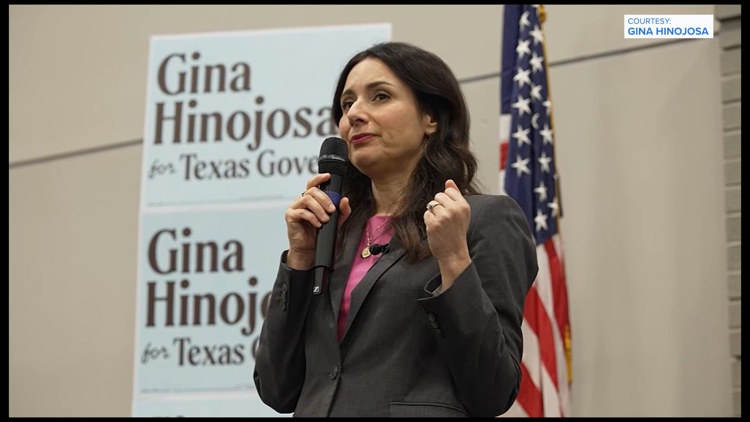
In a bustling Houston café, the air is thick with anticipation as a group of friends huddles around a table, discussing the latest news on a potential $1,500 payment to Texans. Laughter mingles with serious conversations about how this money could change their lives—helping with bills, supporting local businesses, or even planning a family getaway. As they sip their coffee, their excitement is palpable, reflecting a community eager for relief and support in these uncertain times.
Recently, Governor-elect Gina Hinojosa proposed a bold plan that could see Texans receiving $1,500 each, a move that has sparked hope across the Lone Star State. This proposal hinges on utilizing $17 billion from the state’s rainy-day fund, a financial reserve meant to support Texans during challenging economic times. While the idea is promising, it is essential to note that no specific payment or distribution date has been approved yet, leaving many residents on the edge of their seats.
The rainy-day fund, a vital resource for Texas, has been a topic of discussion for years. It was established to ensure that the state can weather economic downturns without drastically cutting essential services. Hinojosa’s plan aligns with the need to provide immediate financial relief to families struggling with inflation, rising living costs, and the lingering effects of the pandemic.
For many Texans, this proposed payment is not just a financial boost; it symbolizes hope and solidarity from their government. As families navigate through the challenges of daily life, this assistance could provide a much-needed lifeline, allowing them to focus on what truly matters—staying together and building a brighter future.
To bring this ambitious plan to fruition, several steps must be taken. First and foremost, the Texas Legislature must approve the use of the rainy-day fund for these payments. This process involves discussions and negotiations among lawmakers, who must come to a consensus on the best approach to support their constituents.
Additionally, the distribution method of the payments needs careful consideration. Will it be a one-time payment, or will it be structured in a way that provides ongoing support? Hinojosa's team is exploring various options, ensuring that the plan is not only effective but also equitable for all Texans.
The potential impact of this financial relief extends beyond individual households. Local businesses, particularly those hard-hit by the pandemic, could see a resurgence as families have more disposable income to spend. This ripple effect could reinvigorate the economy, creating jobs and fostering a sense of community resilience.
Moreover, the support for Hinojosa's proposal is growing. Community leaders and organizations are rallying behind the idea, recognizing the importance of stabilizing families during these turbulent times. Events and discussions are being organized across Houston to educate residents about the proposal and encourage them to voice their support to local representatives.
Community leaders, such as Houston City Council member Karla Cisneros, are vocal advocates for Hinojosa's plan. “This is not just about money; it’s about dignity and respect for our citizens,” Cisneros stated at a recent town hall meeting. She emphasized that the funds could help families not only to survive but to thrive, enabling them to invest in their futures.
Local non-profits are also stepping into the fray, organizing workshops aimed at educating residents about the proposal. Organizations like the Houston Food Bank are leveraging their platforms to highlight the importance of financial relief, especially for the most vulnerable populations in the community.
As the conversation about the proposed payments gains momentum, voices from the community are emerging, sharing their hopes and concerns. Maria Gonzalez, a single mother of two, expressed her excitement, stating, "This money could really help me catch up on bills and maybe even save for my kids' education. It’s about time we get some support from the government!"
Similarly, local business owner James Carter shared his perspective: "If this plan goes through, it could mean more foot traffic in my store. Families will have the ability to spend, which is crucial for us to bounce back from the pandemic. I fully support anything that helps our community thrive!"
These sentiments reflect a broader desire for stability and support within the community. Residents are not just looking for a handout; they are seeking a way to rebuild their lives and strengthen their families. It’s a testament to the resilience of Houston’s spirit.
While the proposal is met with enthusiasm, challenges remain. The political landscape in Texas can be complex, with differing opinions on how to best allocate state funds. Some lawmakers may argue against using the rainy-day fund for direct payments, advocating instead for long-term investments in infrastructure or education.
Additionally, there is the question of sustainability. If the state taps into its rainy-day fund, how will it replenish this reserve for future emergencies? These are critical discussions that will shape the outcome of Hinojosa’s proposal.
As the proposal moves forward, the next steps will involve rigorous debates in the Texas Legislature. Lawmakers will need to assess the potential economic impact and weigh the benefits against alternative funding options. Public forums are expected to be held, allowing citizens to voice their opinions and concerns directly to their representatives.
Moreover, the timeline for implementation remains uncertain. If the legislature approves the plan, it may take several months to finalize the distribution process and ensure that all eligible Texans receive their payments. Community leaders are urging residents to remain patient but proactive, as their voices will be crucial in this legislative journey.
As the community watches and waits, it is essential to stay informed and engaged. Residents are encouraged to reach out to their local representatives and express their support for the proposal. By voicing their opinions, they can play a crucial role in shaping the future of this initiative.
Moreover, community organizations are stepping up to provide resources and support for those who want to get involved. Workshops and information sessions are being scheduled to help residents understand the implications of the proposal and how they can advocate for its success.
As we look ahead, the potential for $1,500 payments to Texans represents more than just financial relief; it embodies the spirit of community, resilience, and hope. Governor-elect Gina Hinojosa's proposal is a step toward recognizing the struggles faced by families and the importance of supporting one another in times of need.
As the legislative process unfolds, it is crucial for the community to remain engaged and proactive. By standing together and advocating for this plan, Texans can not only help secure financial relief but also foster a sense of unity and commitment to building a brighter future for all. Let’s rally together, Houston, and show that when we support one another, we can overcome any challenge!
By Tasha Williams
By Lila Mendez

By Angela Marquez

By Nate Robinson