
Community
A father accused of abducting his sons, two missing brothers and a mystery spanning decades
By Tasha Williams
Advertisement · Why this ad?
Tasha Williams, a graduate of Texas A&M University, has covered local sports for over 8 years at various Houston outlets, including KHOU. Her passion for grassroots athletics brings a unique perspective to high school and community sports reporting.
More from Tasha →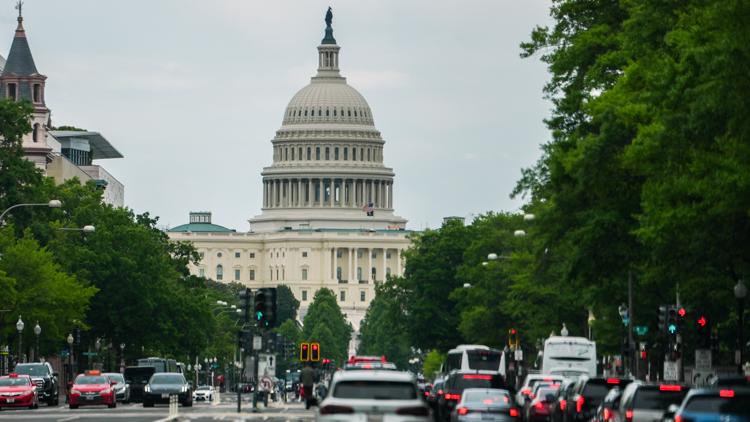
As the sun dipped below the Houston skyline, casting a warm glow over the bustling city, a palpable tension filled the air. Inside the local Republican headquarters, supporters gathered around large screens, their faces a mix of hope and anxiety. The stakes were high; Texas Republicans had undertaken a significant redistricting effort aimed at gaining five additional seats in the U.S. House. But as the election results began to roll in, a sense of uncertainty loomed over the gathering.
In a bold move, Texas Republicans redrew the U.S. House map with the intent to solidify their hold on the state and gain five additional seats. This strategic effort, however, has not unfolded as planned. Early results indicated that Republicans were on track to lose two of the seats they currently control, while their ambitious targets for flipping additional seats seemed to be slipping away. With the changing political landscape, the anticipated gains now appear to be a distant dream.
The redistricting process, often criticized as gerrymandering, aimed to manipulate district boundaries to favor one party over another. By reshaping the electoral map, Texas Republicans hoped to secure a stronger majority in the House. However, the reality of the situation revealed a more complex picture, as voters expressed their discontent with the current political climate.
As the results continued to unfold, it became clear that despite the strategic redrawing of the map, Republicans would likely secure no more than one of their targeted seats. The anticipated net gain of five seats was quickly turning into a potential net loss, raising questions about the effectiveness of their redistricting efforts and the future of the party in Texas.
The reaction from the Houston community has been mixed. Many local Republicans expressed their disappointment at the results, feeling that the redistricting efforts were in vain. "We believed we had a solid plan to expand our influence, but the voters have spoken, and it seems we miscalculated their sentiments," said one local party leader, who preferred to remain anonymous.
On the other side of the political spectrum, Democrats celebrated the unexpected outcomes. Local activist Maria Gonzalez remarked, "This is a clear message that the people of Texas want representation that reflects their values and priorities. The redistricting was an attempt to silence our voices, but we stood up and made ourselves heard." Her sentiment resonated with many in the community, who felt empowered by the results.
The implications of this election extend beyond the immediate results. The potential loss of seats for Republicans could shift the balance of power in Texas politics, influencing local policies and initiatives. As families and communities navigate the aftermath of the election, the importance of strong representation becomes increasingly evident.
Moreover, the election results serve as a reminder of the need for genuine engagement with constituents. Voters are looking for leaders who prioritize their needs and foster a sense of community. In a city as diverse as Houston, where families from all walks of life come together, the call for authentic representation is louder than ever.
Houston's voter demographics play a crucial role in shaping its political landscape. The city boasts a rich tapestry of cultures, with significant Hispanic, African American, and Asian populations. This diversity is reflected in the electorate, which has increasingly leaned towards Democratic candidates in recent years. The changing demographics have prompted many local Republicans to reconsider their outreach strategies, recognizing that traditional campaigning methods may no longer resonate with the broader community.
As Maria Gonzalez noted, the election results signal a shift in voter priorities. Issues such as healthcare, education, and immigration reform are at the forefront of many constituents' minds. Understanding these concerns is vital for any party aiming to regain or maintain their influence in the region. Local Republican leaders have acknowledged the need for more inclusive dialogues that address these pressing issues.
Looking ahead, Texas Republicans will need to reassess their strategies and reconnect with their base. The lessons learned from this election could pave the way for a more inclusive approach to governance. The redistricting efforts, while ambitious, highlighted the importance of understanding the electorate's pulse and adapting to their evolving needs.
As the dust settles from the election, community leaders and activists are already strategizing for future elections. Engagement efforts will be crucial in building trust and fostering relationships with voters. Local organizations are stepping up to ensure that residents understand the political process and their role in shaping it.
In the wake of the election, both parties are looking to build bridges within the community. Initiatives aimed at fostering dialogue between different political factions are being proposed, with the hope of creating a more collaborative environment. Town hall meetings, community forums, and outreach programs are essential for encouraging participation and ensuring that all voices are heard.
Local leaders, like City Council member Amanda Edwards, have emphasized the importance of unity and collaboration. "We need to come together as a community, regardless of our political affiliations, to address the challenges we face. Our strength lies in our diversity, and we must leverage that to create a better future for all of Houston," she stated.
Community organizations such as the Houston League of Women Voters and various civic engagement groups are already mobilizing to educate residents about the political process. Workshops and informational sessions are being organized to help voters understand the implications of redistricting and the importance of their participation in future elections. These efforts are aimed not only at increasing voter turnout but also at ensuring that constituents feel empowered to advocate for their needs.
Additionally, local universities and colleges are stepping in to facilitate discussions on civic engagement. Institutions like the University of Houston and Texas Southern University are hosting panels and debates that encourage students and community members to engage in political discourse. These educational initiatives are crucial for fostering an informed electorate that can hold leaders accountable.
The recent election results serve as a pivotal moment for Texas Republicans and the broader political landscape in Houston. While the redistricting efforts aimed for expansion, the reality has prompted a reevaluation of priorities and strategies. As the community rallies together, the focus remains on fostering strong families, committed leadership, and authentic representation.
In the coming months, all eyes will be on how local leaders respond to these challenges and work towards rebuilding trust with their constituents. The heart of Houston beats stronger when its residents are engaged, informed, and united in their pursuit of a better future.
By Tasha Williams

By Lila Mendez
By Lila Mendez

By Nate Robinson