Schools
Retaliation accusations surface as Boyd ISD, city clash over police interview in hazing case
By Eli McBride
Advertisement · Why this ad?
Lila Mendez has spent over 15 years in local journalism, honing her skills at the Houston Chronicle and NPR’s Houston affiliate. A graduate of the University of Houston, she excels in connecting with the community and has a knack for unearthing stories that highlight the diverse voices of Houston's neighborhoods.
More from Lila →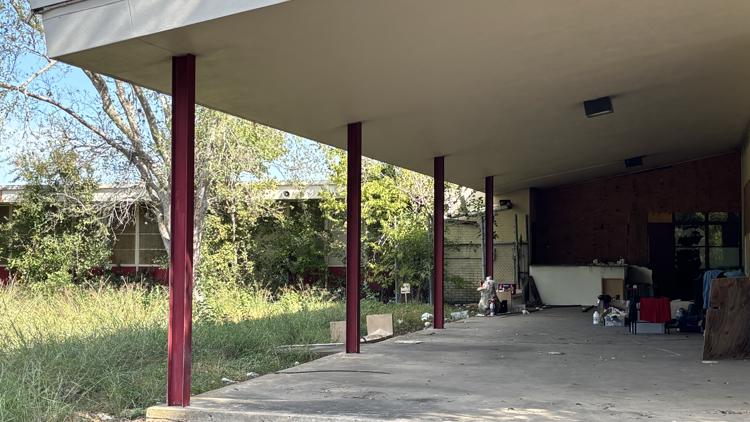
Under the warm Houston sun, the quiet streets of Sunnyside have recently been disrupted by a growing sense of unease. Families who have called this neighborhood home for generations now find themselves watching over their children with cautious eyes, worried about the shadow cast by a vacant school building that once symbolized community pride. The old Sunnyside Elementary, now abandoned for years, has become a focal point of concern—an unintentional magnet for crime, illegal dumping, and safety hazards that threaten the very fabric of this close-knit neighborhood. This situation reflects broader challenges faced by many Houston neighborhoods grappling with aging infrastructure, economic shifts, and community preservation efforts.
Since its closure in 2018 due to declining enrollment and budget cuts, the former Sunnyside Elementary has sat empty, a shell of its former self. Over the past year, residents have observed a troubling increase in illegal activities around the site, including drug use, vandalism, and unauthorized dumping of trash. Local families, small business owners, and community leaders say the situation has worsened, turning what was once a vibrant hub of learning into a dangerous eyesore. The closure of this school not only deprived children of a local educational facility but also removed a community anchor that historically provided stability and a sense of safety.
Houston has experienced significant growth and change over the past few decades, yet many neighborhoods like Sunnyside have faced economic hardships, infrastructure neglect, and demographic shifts. Sunnyside, in particular, has a storied history as a working-class neighborhood rooted in resilience. Originally developed in the early 20th century, it became a hub for African American families seeking opportunities during times of segregation and economic migration. The neighborhood’s cultural fabric was woven through churches, small businesses, and community centers that fostered a strong sense of identity. The vacant Sunnyside Elementary is more than an empty building; it’s a symbol of these ongoing struggles and the community’s desire to preserve its heritage amid adversity.
Community members have voiced their frustrations at recent neighborhood meetings, urging city officials and property owners to take decisive action. “It’s heartbreaking to see our children playing near a place that’s become a hotspot for crime,” said Maria Lopez, a mother of three and lifelong Sunnyside resident. “We need safe spaces for our kids, not abandoned buildings that attract trouble.” In response, residents have organized neighborhood watch groups, increased patrols, and called upon city authorities for solutions. Their activism underscores a broader desire for community-led revitalization, emphasizing that residents want to see their neighborhood thrive again.
The Houston Housing Authority, which owns the property, has acknowledged the issues but has yet to implement comprehensive security measures or plans for redevelopment. Local nonprofits, like the Houston Chamber of Commerce and City of Houston, are also being called upon to help facilitate solutions that prioritize community safety and revitalization. These efforts highlight an ongoing tension between immediate safety concerns and long-term community development strategies.
Many residents emphasize the importance of restoring the site in a way that benefits the community—whether through redevelopment into affordable housing, community centers, or safe recreational spaces. “We want to see our neighborhood thrive again,” said Pastor James Carter of Sunnyside Community Church. “Our families deserve safe, clean environments where children can grow and learn.” The community’s hope is that collaborative efforts can transform the vacant lot into an asset rather than an eyesore, fostering neighborhood pride and safety.
Sunnyside, located in the southern part of Houston, has long been a working-class neighborhood with a rich history rooted in resilience and community spirit. Originally developed in the early 20th century, Sunnyside became a hub for African American families, many of whom migrated from other parts of Texas seeking economic opportunities and a better life. Over the decades, the neighborhood has cultivated a strong sense of identity, with local churches, small businesses, and community centers serving as pillars of stability. The closure of Sunnyside Elementary in 2018 marked a significant shift, leaving a void in the neighborhood’s social fabric and raising questions about how to preserve its legacy.
The former Sunnyside Elementary was more than just a school; it was a symbol of progress and hope. Many residents recall the days when children played on its grounds, and community events brought neighbors together. Its closure was a blow to local morale, and now, with the building sitting vacant, many fear that the community’s history and spirit are at risk of being eroded. This situation underscores the importance of thoughtful redevelopment that respects the neighborhood’s cultural roots and addresses current safety concerns.
Community leaders and local officials have been vocal about their concerns. State Rep. Harold Dutton, who has represented Sunnyside for over a decade, emphasized the importance of community-led solutions. “This neighborhood has faced challenges before, but its resilience is what defines it,” Dutton said. “We need to harness that resilience and work together to ensure that this vacant property becomes an asset, not a liability.”
Houston City Council Member Dr. Amy Peck has called for a comprehensive review of the site, including potential redevelopment projects that could serve the community’s needs. “We’re exploring options that include affordable housing, community spaces, and safety improvements,” Peck explained. “Our goal is to partner with local residents and organizations to create a plan that reflects the neighborhood’s character and aspirations.”
As plans develop, it remains crucial for community voices to be at the forefront. Residents have expressed a strong desire to be involved in shaping the future of the site, ensuring that redevelopment efforts align with local needs and values. The ongoing dialogue between officials and residents is vital to building trust and crafting sustainable solutions that truly serve Sunnyside’s diverse population.
Looking ahead, city officials have promised to review safety measures and explore redevelopment options. The Houston City Council has scheduled a follow-up meeting to discuss potential funding and partnerships aimed at transforming the site. Community leaders remain hopeful that this neglected property can be reclaimed to serve as a positive space that fosters community pride and safety. Meanwhile, residents continue to rally for their neighborhood, emphasizing the importance of strong families, faith, and a shared commitment to making Sunnyside a safe haven once more.
The story of this vacant school is not just about bricks and mortar but about the heart of a community determined to rebuild trust and safety for the next generation. As plans unfold, the hope is that Sunnyside’s children will have a future marked by opportunity, security, and the enduring strength of a neighborhood that refuses to give up on itself.
By Eli McBride

By Amber Tran

By Elena Torres

By Samuel Garcia