Gravel spill in southeast Austin causes lane closures
Ethan Brooks has been covering the dining scene in Austin for over 2 years and is a self-proclaimed foodie. He studied Journalism at Texas Tech University and has contributed to various online food publications.
More from Ethan →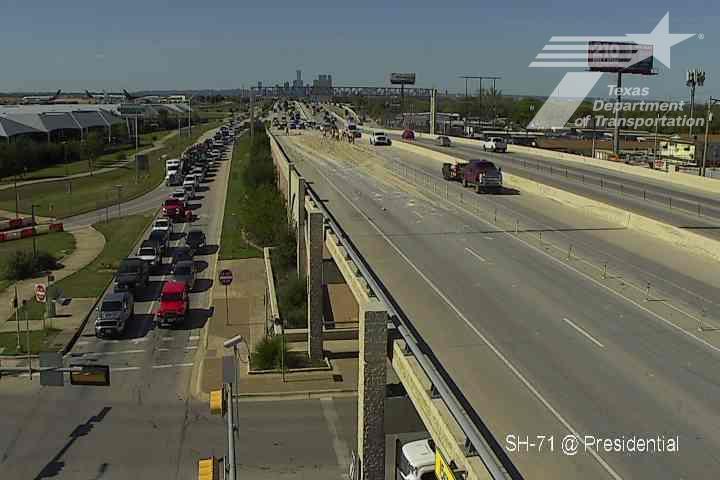
In this story
The morning was more chaotic than a spilled bag of marbles for commuters near Austin-Bergstrom International Airport yesterday, when a gravel spill turned a busy stretch of southeast Austin into a scene reminiscent of a construction zone gone rogue. Imagine the frustration of travelers trying to catch flights or get to work, only to be greeted by a blanket of loose gravel and flashing red lights. It’s a reminder that even the smallest mishaps, like a truck losing its load, can ripple through a community, disrupting routines and testing patience.
What Happened
According to the Texas Department of Transportation (TxDOT), a gravel truck hauling material along the highway near the airport experienced a mishap that led to a spill covering all lanes. The incident, reported early yesterday morning, prompted immediate closures of the entire stretch of the highway, snarling traffic and forcing drivers into detours. The gravel, a seemingly innocuous substance, became a hazard that rendered the roadway impassable, affecting hundreds of daily commuters, delivery vehicles, and airport travelers.
Authorities responded swiftly, deploying cleanup crews to clear the mess and assess the damage. The spill’s extent was significant enough to close all lanes, a move that underscores how even minor incidents can escalate into major disruptions in a city like Austin, where traffic congestion is already a daily challenge. The cause of the spill remains under investigation, but initial reports suggest a mechanical failure or a load securing issue might have been at fault.
Community Impact and Response
The closure of this vital artery not only delayed flights and commutes but also highlighted the delicate balance of Austin’s growing infrastructure. Local businesses, especially those near the airport, reported decreased foot traffic and logistical headaches. Residents expressed frustration on social media, sharing stories of missed appointments and hurried detours. Yet, amidst the chaos, many community members appreciated the quick response from TxDOT and first responders, who worked tirelessly to restore order and safety.
Community Reaction
The spill’s ripple effect was felt deeply in the local community. Parents juggling schedules, ride-share drivers rerouting, and small business owners watching their day’s plans evaporate—all are part of the fabric of Austin’s bustling life. One local resident, Maria Lopez, shared how her morning was thrown into disarray as she waited for her child’s school bus, which was rerouted due to the closure. “It’s a reminder that even in a city full of innovation and growth, we still face the unpredictable,” she said with a smile that masked her frustration.
Lessons and Precautions
Many experts see the incident as a call for stricter safety protocols and better load-securement practices. The city and TxDOT are reviewing their procedures to prevent similar accidents in the future. A spokesperson emphasized that safety is a top priority, and they are considering additional training for drivers and stricter inspections of heavy loads. It’s a testament to how community safety often hinges on small details—details that, if overlooked, can cause big problems.
What’s Next
As cleanup efforts continue, officials are optimistic that the highway will reopen within the next few hours. The incident serves as a reminder of the importance of resilient infrastructure and proactive safety measures in a city that’s rapidly expanding. Local authorities are also encouraging drivers to stay alert and plan alternate routes, including nearby arterials and service roads, to minimize further delays. The city’s ongoing growth, driven by a booming tech sector and an influx of new residents, makes such incidents more consequential than ever. The Austin of today is a city in motion, and its roads are the arteries of its economic and social vitality.
For residents and travelers alike, this incident is a wake-up call about the importance of patience, preparedness, and community resilience. Austin’s spirit—built on strong families, faith, and a commitment to progress—remains unshaken. As the city works to clear the gravel and restore normalcy, it’s a reminder that even in chaos, community and faith can lead us forward, stronger than before.
Local Impact and Broader Context
This spill is more than just a traffic inconvenience; it highlights the ongoing challenges faced by Austin’s infrastructure as the city’s population continues to grow rapidly. Over the past decade, Austin has become one of the fastest-growing cities in the United States, with an influx of new residents drawn by its vibrant culture, job opportunities, and relatively affordable cost of living. However, this growth has strained existing roads and transit systems, leading to increased congestion, longer commute times, and a greater need for robust safety measures.
Local officials have long acknowledged these challenges. The Austin City Council has prioritized transportation infrastructure in its recent budget allocations, funding projects aimed at expanding capacity and improving safety. Yet, incidents like this gravel spill serve as stark reminders that infrastructure upgrades alone are not enough—they must be complemented by strict safety protocols and ongoing driver education.
Community Voices and Local Leaders
Community leaders and local residents have voiced their concerns about infrastructure safety. Austin City Council Member Ann Kitchen, who chairs the transportation committee, emphasized the importance of proactive safety measures. “Every incident like this underscores the need for continuous vigilance and investment in our roads,” she said. “We’re working with TxDOT to ensure that safety standards are upheld and that our roads are as resilient as possible to prevent future disruptions.”
Meanwhile, local business owners near the airport expressed concern about the economic impact of such closures. “Every minute the highway is closed affects not just commuters but also our deliveries and customer traffic,” said James Nguyen, owner of a nearby coffee shop. “We hope the city and TxDOT will take steps to prevent these kinds of incidents from happening again.”
What Happens Next
As the cleanup continues, city officials are also evaluating the incident to improve future responses. They are considering new safety protocols for heavy vehicle loads, including mandatory load securing checks and more frequent inspections. Additionally, there is talk of installing better signage and barriers to contain spills and prevent debris from spreading across multiple lanes.
The incident also prompts a broader conversation about the need for smarter, more resilient infrastructure in Austin. The city’s rapid expansion calls for innovative solutions—like dedicated truck routes, improved load security regulations, and increased investment in road maintenance—to keep pace with growth and ensure safety for all residents.
Furthermore, community organizations and advocacy groups are calling for increased public awareness campaigns about safe driving practices, especially around construction zones and large vehicles. Education initiatives aimed at professional drivers and the general public can help prevent similar incidents and improve overall safety standards.
In the coming weeks, residents can expect to see increased enforcement and safety checks, as well as community forums discussing transportation safety. The city has committed to learning from this incident and implementing measures that will reduce the risk of future spills and closures.
For now, the focus remains on swift cleanup and reopening the highway. But the incident also serves as a catalyst for broader discussions about Austin’s infrastructure resilience and community safety—discussions that will shape the city’s growth for years to come.